
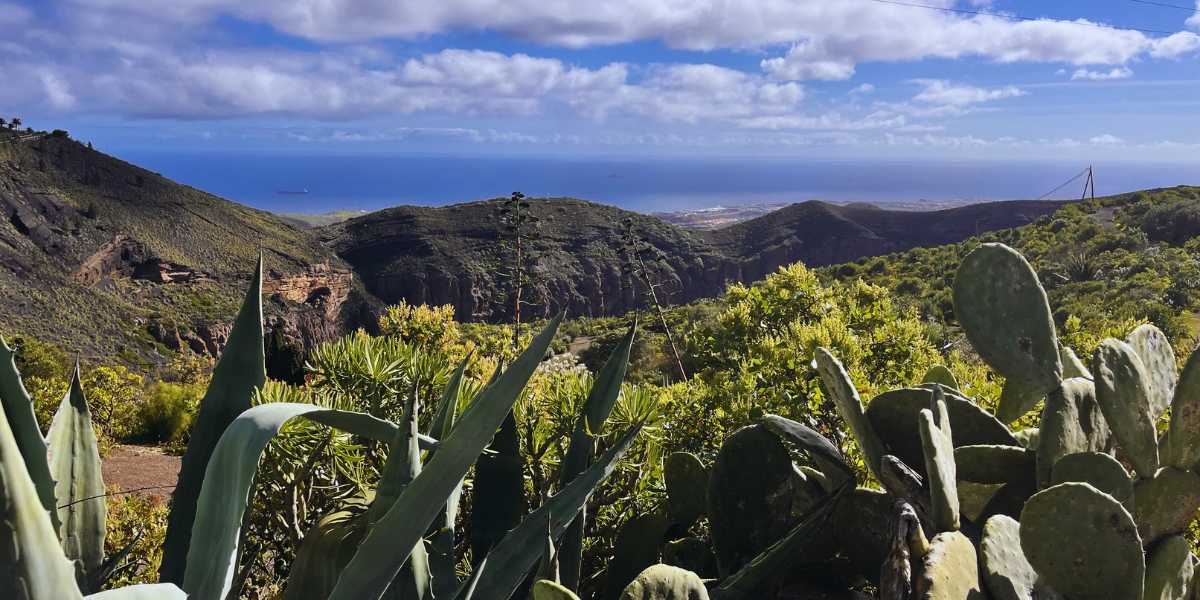
The south is warm, sunny and built for tourism, think lounge chairs, all-inclusive packages and cocktails from 11am. The north is greener, a bit windier and honestly feels like a completely different island. The interior? It’s for hikers, slow travelers, those who prefer to stay in a finca rather than a five-star.
This is one of the easiest warm weather getaways, especially in winter. But with so many areas to consider, choosing where to base yourself can seem like a difficult task. So here is a proper breakdown.
The best domains and how to choose
Las Palmas (North)
Las Palmas is the capital of the island and it exudes urban energy. You can spend the morning strolling along Playa de las Canteras, a long, beautiful urban beach that manages to feel relaxed even though it’s right in the middle of the city. Then spend the rest of the day wandering around the old town of Vegueta and eating tapas at places that don’t offer any English menus (always a good sign).
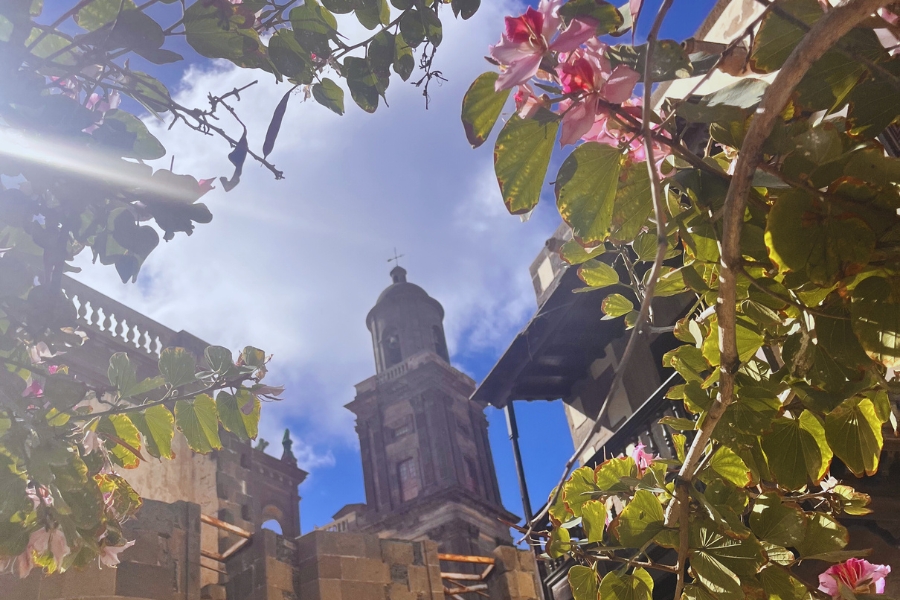
It is more windy in the north, this is worth knowing if you go in winter. But for food, culture and that authentic Spanish atmosphere, Las Palmas is perfect. This is especially good if you’re traveling alone or as a couple who prefers to explore rather than just relax.
Maspalomas and Playa del Inglés (South)
This is where most tourists hang out and there is a reason for that. The dunes of Maspalomas are magnificent. You walk in and feel like you’ve accidentally fallen into the Sahara.
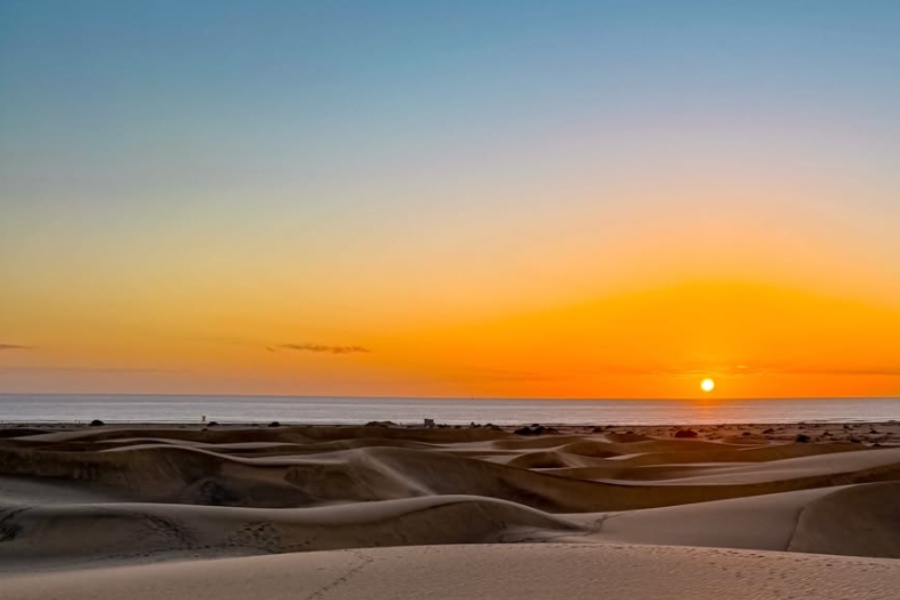
The area is well-appointed for families, with many all-inclusive resorts and water parks nearby. It is also one of the most LGBTQ+ welcoming destinations in Europe. Next door Playa del Inglés gets livelier at night, the Yumbo Center is the center of nightlife if that’s your thing, although you can very easily avoid it if that’s not the case. Peak season (Christmas to February) is packed. Around 3 million tourists visit the Canary Islands during the winter months, so book early if you plan to go at this time.
Port of Mogán (South-West)
It is sometimes called “Little Venice” because of its small canals and bridges draped in flowers. It’s a bit of an exaggeration but also… not entirely wrong. It’s really pretty. Small, upscale and very built around its marina. You can sit in a harborside restaurant and watch the boats go by while eating grilled fish with a glass of wine.
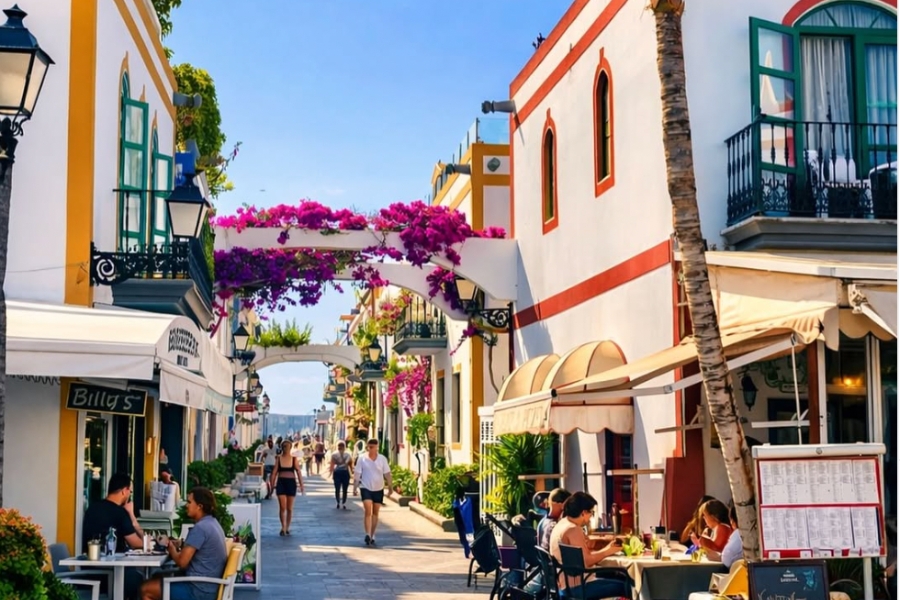
It’s more expensive than the rest of the south and the beach is beautiful but not huge. But if you want somewhere a little more refined and less complex, Mogán is worth spending a little more.
Puerto Rico (South)
Good value for money, family-friendly and with a beach almost always sheltered from the wind. Puerto Rico is a reliable choice that doesn’t get as much attention as it deserves. The bay is calm and perfect for children. There are boat trips to watch dolphins (we spotted a pod on our last outing, absolute highlight). It’s hilly though, which means lots of steps and steep streets, something to keep in mind if mobility is a consideration.
Meloneras (South)
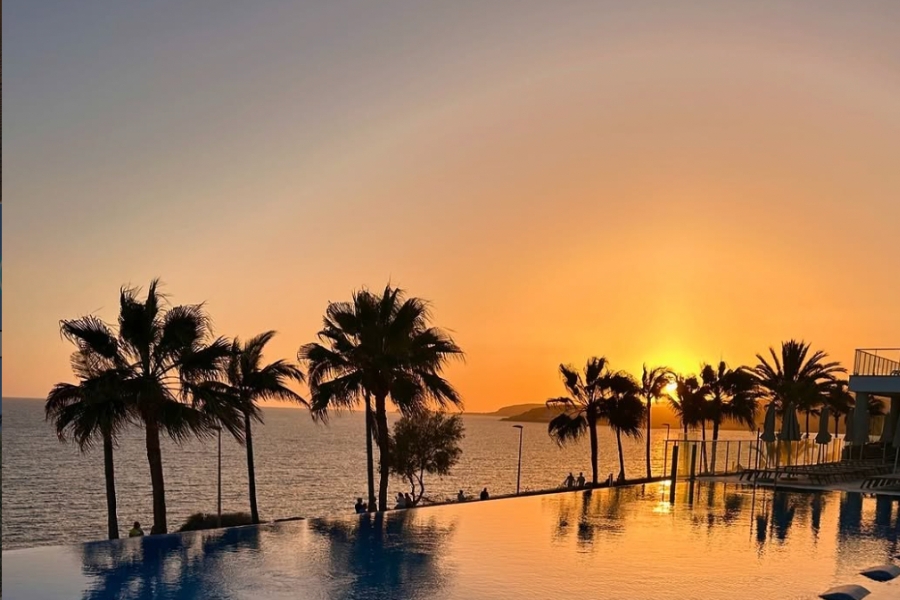
Meloneras sits right next to the dunes and has a lovely promenade lined with upscale restaurants, boutiques and some of the island’s finest hotels. It’s significantly quieter than Maspalomas and attracts a slightly older, more relaxed crowd. The sunsets over the ocean from the boardwalk are beautiful and worth seeing even if you’re not staying there. If you’re looking for spa days and long lunches without the hustle and bustle of a resort, this is your place. Just budget accordingly.
San Agustín (Southeast)
Sandwiched between Playa del Inglés and Meloneras, San Agustín is a solid compromise. The beach has darker sand, almost black in places, which some people like and others find strange. It’s peaceful here, less dominated by big resorts, and the spa hotels along the waterfront do a brisk trade for good reason. Good value for money compared to Meloneras, without feeling budgetary.
Rural and interior (Tejeda, Arucas, Agaete)
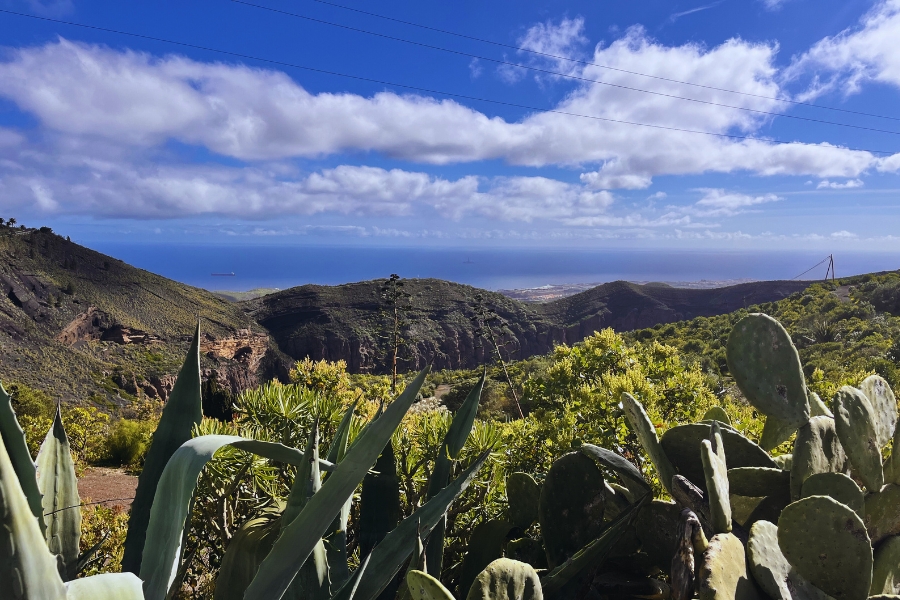
Not for everyone, but definitely worth knowing. The interior of Gran Canaria, particularly around Tejeda and the Roque Nublo region, is spectacularly beautiful. Volcanic rock formations, pine forests, small villages where people stare (in a friendly way) when strangers arrive, someone came up to us and shook our hands in Santa Brigida. Small fincas and rural guesthouses are ideal for anyone who wants to hike and truly disconnect. You will, however, need a rental car; Public transport here is not the best.
Hotels to know
There are hundreds of accommodations in Gran Canaria, so here are a few that keep coming back for the right reasons.
Lopesan Costa Meloneras Resort & Spa – Melonized. One of the island’s flagship properties. Huge, well managed, with several swimming pools and direct access to this promenade. The thalassotherapy spa is impressive. It’s a bit of a splurge but the facilities justify a longer stay.
Paradise Gran Canaria by Melia – Maspalomas. All inclusive well done. The kind of place where you can spend a whole week without feeling like you’re missing anything. Ideal for families or couples who want everything taken care of.
Marina Suites – Puerto Rico. Apartment-style suites with stunning sea views and rooftop pool. More independent than a hotel complex; better suited to those who want to cook for themselves or explore rather than constantly being waited on.
Radisson Blu Resort Gran Canaria – Playa del Ingles. Solid mid-to-high-end option. Modern rooms, lovely swimming pools and well positioned for getting around the south.
Groupetel Orchid – Playa del Ingles. If budget matters, this one ticks the boxes. It’s a clean, friendly, family-friendly place with great swimming pools.
Waikiki is saved – Playa del Ingles. Another good budget option. A family favorite due to the pool and location, just steps from the beach and shopping centers.
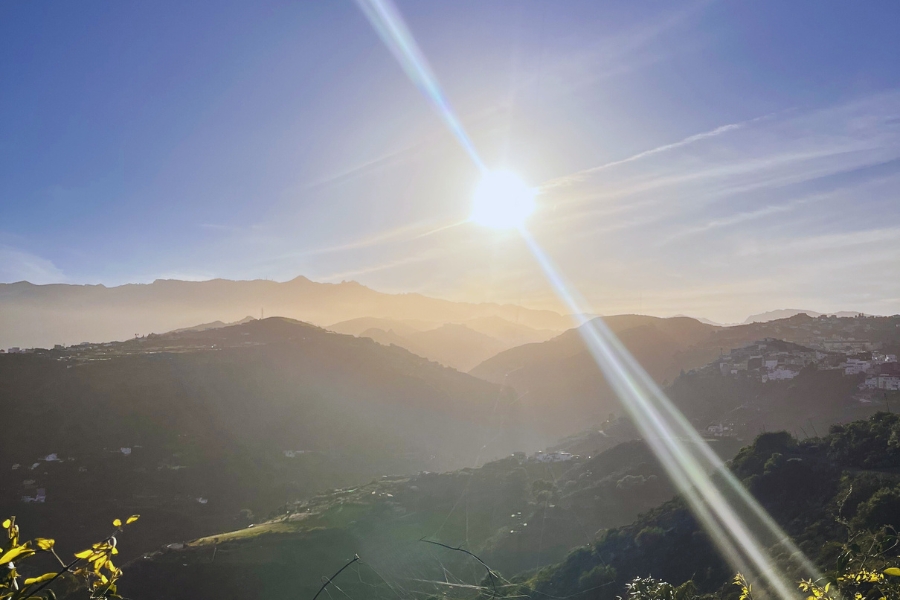
Bandama troglodyte house (where we stayed during our recent visit to Gran Canaria) is a renovated cave dwelling near Santa Brígida. It is just 22 km from the airport and is nestled in the volcanic landscape near the Bandama Crater.
It’s not as crazy as it sounds, at first we didn’t even realize it was a cave house. It has two bedrooms, a jacuzzi, a pool bar, a barbecue terrace and stunning views. We loved relaxing outside with a glass of cava in the hot tub and the view was simply incredible!
A few things to know before you go
Gran Canaria’s mild year-round climate is one of its best features: temperatures rarely drop below 18°C, even in winter, which is why it’s such a popular getaway from January to March. The south remains hotter and drier; if you’re looking for guaranteed sunshine, base yourself there.
Rent a car. I know I’ve said it before, but it bears repeating. The south is walkable if you stay in one place, but whenever you want to explore the interior or spend a day in Las Palmas, you’ll want wheels.
All-inclusives work well here if your priority is relaxation. But if you really want to eat local food and experience the island beyond the resort gates, a self-catering apartment or boutique hotel gives you more freedom and often works out cheaper for longer stays.
Pack a layer for evenings, especially if you’re going north or staying in October or November. And try the local Canarian wine if you get the chance: underrated, really good and cheap by British standards.
So where should you actually stay?
It really depends on the type of trip you’re looking for. Families and sun seekers tend to do better in Maspalomas or Puerto Rico. Couples wanting a quieter, more upscale location will love Meloneras or Mogán. Culture hunters and city types should look to Las Palmas. And if you want something truly memorable rather than just a nice hotel, book the cave house.
Gran Canaria is one of those rare places that manages to be both easy and interesting. It’s well connected to most UK airports, the weather is always good and there really is more to see than most people expect. Whatever your type of traveler, you will find what you are looking for.
