
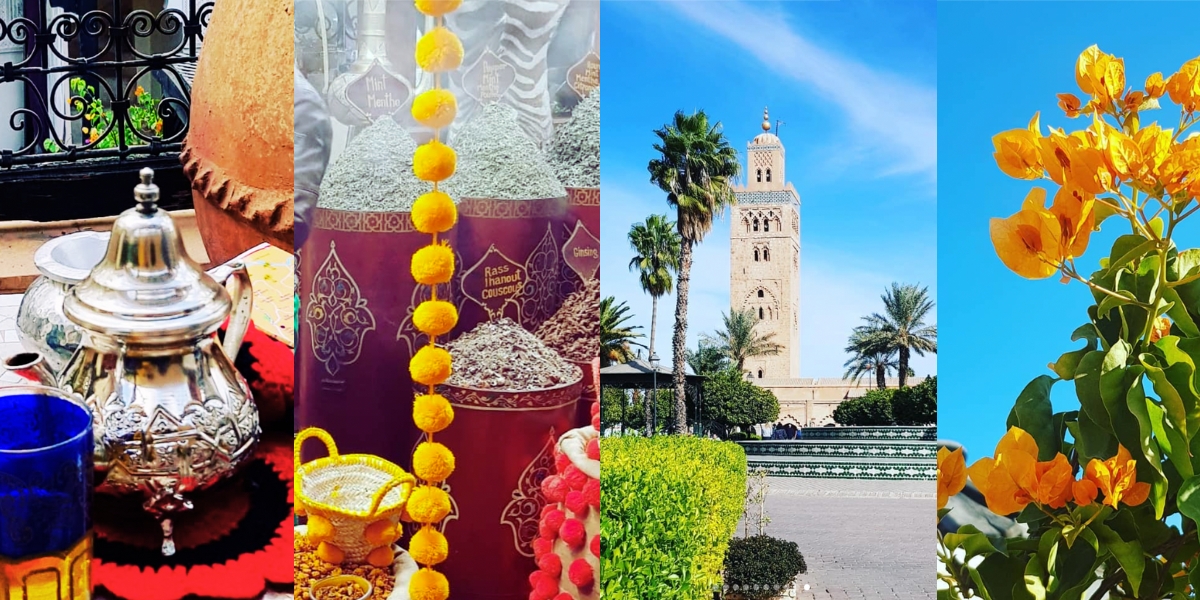
Jemaa el-Fna Square
Jemaa el-Fnaa is the main square of the medina and the ideal starting point for discovering Marrakech. From there, you can easily reach the Souk Semmarine, the Koutoubia Mosque, the Bahia Palace and Le Jardin Secret.
The square itself is a UNESCO World Heritage Site and has been the cultural center of the city for centuries. When we entered this huge square on the first evening of our stay in Marrakech, we were amazed by all the different things we saw, like snake charmers, a whole range of street food, monkeys (although I was sad to see they were chained) and stalls selling everything you can think of.
It’s crowded, noisy and a total sensory overload, so after a while we escaped to a rooftop cafe to observe the square from above.
Because it is a tourist hotspot, stay vigilant. If someone offers you pictures of animals or tries to sell you something, always start by agreeing on a price.
Go shopping in the souks
The souks of Marrakech are one of the largest in North Africa showcasing Moroccan crafts and are divided into different areas.

Souk Semmarine is the main shopping street targeting tourists with souvenirs, textiles, leather bags and traditional slippers. This part of the souk gets very busy, so be sure to keep your valuables safe.
I much preferred walking around the alleys as they are quieter and you can often find more unusual items. Remember, you’re supposed to haggle here, so don’t take first prize and be ready to leave.
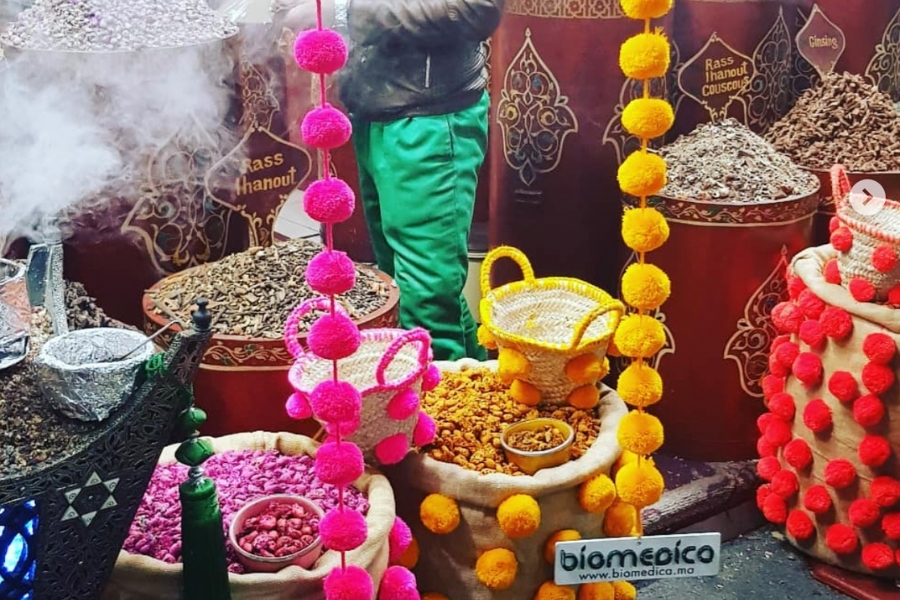
The best time of day to visit is early in the morning as it is much quieter and cooler in the souks. By noon the temperatures are rising and everyone on a day trip has arrived. When I was looking for a handbag, the stall owner took us to the rooftop workshop and showed us where all the bags were made, which was fascinating.
1-hour souk route
Start at Jemaa el-Fna.
To go up Souk Semmarine – textiles, leather, classic souk atmosphere.
Left in Souk Smata – belts, slippers, small leather goods.
Continue to Souk El Attarine – spices, oils, perfumes.
Head to Souk Zrabia – carpets + wider aisles.
Arrive at Rahba Kedima (Place de la Vieille Épice).
Return to Jama el-Fna.
Wander Around Jardin Majorelle
You’ve probably seen photos of this bustling garden, but I think it’s even more breathtaking in real life. The garden created in the 1920s by French artist Jacques Majorelle and later restored by Yves Saint Laurent.
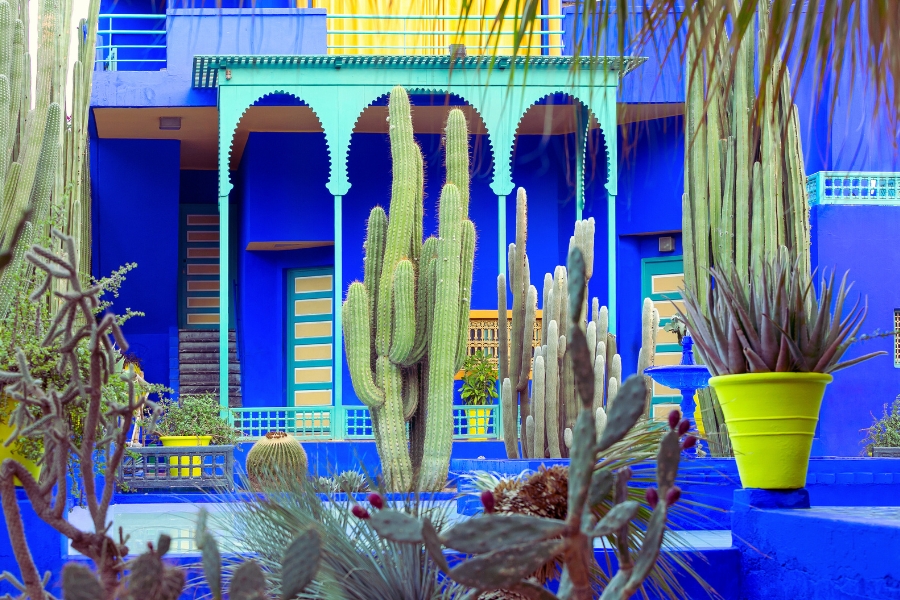
It’s made up of electric blue buildings, exotic plants and calming water features, with plenty of quiet corners to sit and relax away from the madness of the medina. If you want to avoid the lines and enjoy a more leisurely experience, be sure to visit in the morning, as it gets busier as the day goes on and tickets sometimes sell out.
Relax in a hammam
A hammam is a traditional Moroccan bath combining steaming, scrubbing and cleansing rituals rooted in the Islamic culture of hygiene.
There are two main types you will encounter: public hammams and luxury hammams. Public hammams are authentic, no frills, gender separated and very cheap. They generally cost between 10 and 30 MAD, while luxury hammams can cost between 300 and 1,500 MAD.
They will both be very different experiences and you will mainly find tourists in the luxury hammams which are more like the spas we are used to. If you want to go to one of the luxury hammams, be sure to book 48 to 72 hours in advance, especially for the most popular ones, and going in the late afternoon or early evening is usually the quietest time.
Strangely, getting aggressively cleaned by a stranger is one of the best things you can do in Marrakech. You will leave with the feeling of being reborn after getting rid of all that dead skin.
Watch a belly dance show
Belly dance performances, also known locally as shikhatmix Egyptian style moves with Moroccan style, accompanied by live Gnaoua music. Expect colorful costumes, rhythmic hip movements and a touch of cabaret-style glamour.
Many shows are part of a dinner package and usually last around 1-2 hours. It is advisable to book a few days in advance, as places fill up quickly.
If you’re feeling energetic, you can even try a belly dancing class, offered at various studios and cultural centers around the city.
Koutoubia Mosque
The Koutoubia Mosque is the largest in Marrakech and you will see its image on countless postcards and souvenirs across the city.
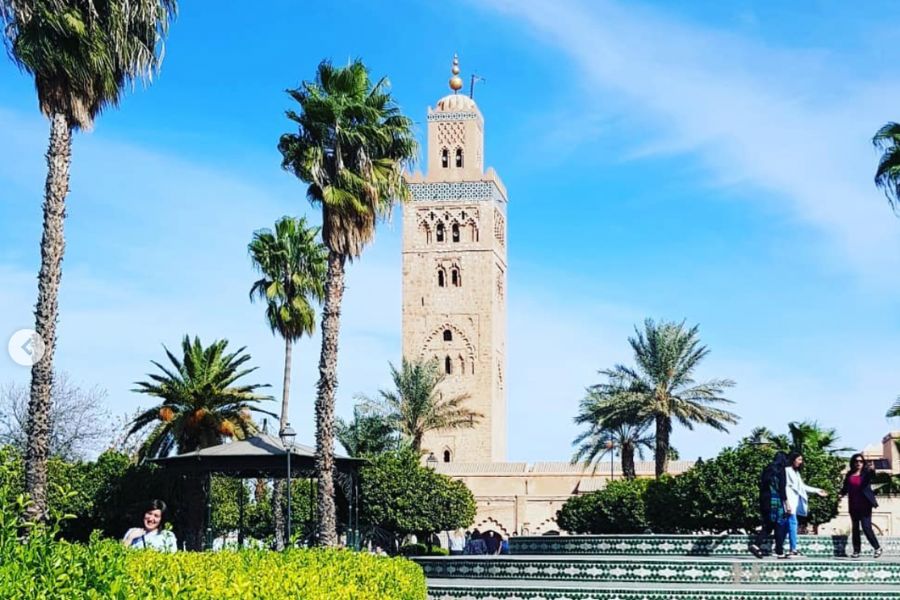
The interior and prayer rooms are strictly prohibited for non-Muslims, but you can still stroll through the beautiful gardens. The best photos are taken from the southwest side at sunset, when the stone glows a rose-gold color in the evening light. Hearing the call to prayer at that moment makes it even more magical.
It takes less than five minutes to walk from Jemaa el-Fna Square to the Koutoubia Mosque, and you can see the minaret from the square, so it’s very easy to find.
Ride a hot air balloon
For the most magical hot air balloon ride, you need to get up early. Most companies that organize these trips pick you up around 5 a.m. so you can enjoy the sunrise.
You float over red dunes, palm groves, small Berber villages and snow-capped Atlas Mountains at sunrise, which in my opinion is definitely worth the early warning.
The ride typically lasts between 45 and 60 minutes and is followed by a traditional Moroccan breakfast. As the trip takes between 4 and 5 hours in total, it is ideal for those staying in Marrakech for more than a long weekend or for those who want to escape the hustle and bustle of the city.
Stay in a traditional riad
If you go to Marrakech, you must stay in a traditional riad as it is part of the overall experience. We stayed in a cute little riad a few minutes walk from the main square, tucked away in a little alleyway.
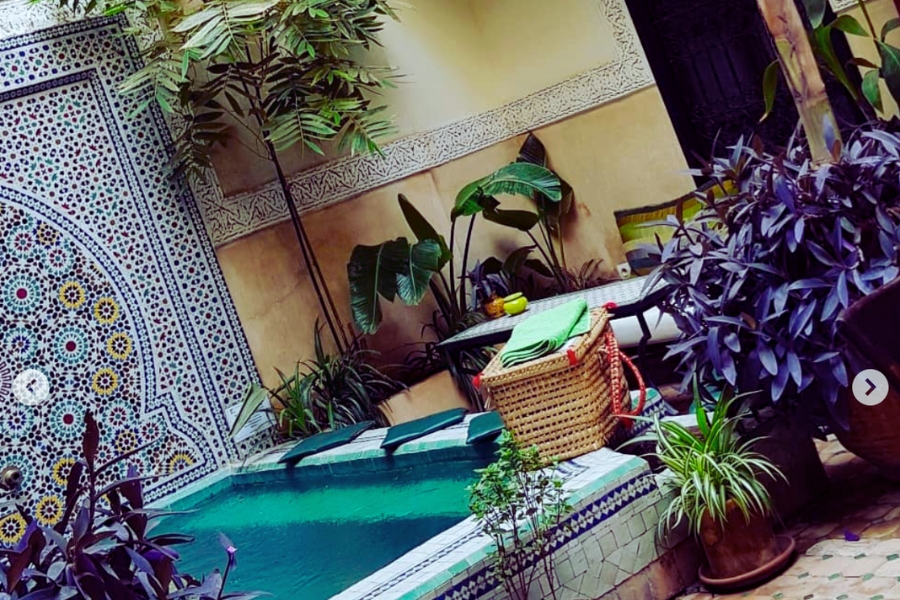
Riads are built around a central courtyard which often includes a plunge pool, seating areas and sometimes fruit trees. We were welcomed with fresh mint tea (poured from a great height) and sweet biscuits on a sofa in the courtyard of our riad. The perfect way to start our trip.
We had a beautiful room furnished with traditional pieces and decorated in a rich Moroccan palette. The highlight of our stay was the roof terrace where you can relax on a lounge chair or have breakfast with a view.
Staying in a riad is like being an honored guest in someone’s home. We felt incredibly well looked after and the staff were very friendly and gave us advice on where to go and what to see.
A riad offers a bit of peace, quiet and relaxation in complete contrast to the busy streets of the medina.
Our favorite Riads in Marrakech
Riad le Clos des Arts – is a beautifully restored, art-filled oasis in Marrakech’s medina, offering elegant rooms, warm hospitality and a magnificent rooftop.
Riad Dar Ten – an intimate six-room refuge a few steps from Jemaa el-Fna square where modern chic meets Moroccan design. The peaceful roof terrace overlooks the medina.
Riad Kheirredine – a truly luxurious retreat with a heated rooftop pool, beautifully refined Moroccan design and a tranquil on-site hammam for ultimate relaxation.
Bahia Palace
Nestled in the southern medina, just a 10-minute walk from Jemaa el-Fnaa square, the Bahia Palace is one of the most beautiful places in Marrakech to stroll. It’s a maze of sunny courtyards, colorful zellige tiles, painted cedar ceilings and peaceful gardens. The perfect place to spend an hour after exploring the souks.
The highlight is the courtyard of the Grand Riad with its orange trees and intricate details. Entrance costs 70 MAD, and if you go before 10 a.m. you’ll avoid most tourist groups and enjoy the calm, dreamy atmosphere everyone hopes for.
Why we love Marrakech
Marrakech is a city that stays with you long after you leave. It’s a place where the call to prayer drifts across the rooftop terraces, the colors are brighter and every corner reveals something unexpected. However you choose to spend your time here, one thing is certain: Marrakech will make you want to return as soon as you leave.
