
FFrom doctors to scientists to wellness influencers, everyone is talking about longevity. Rather than just focusing on longevity, it’s about maintaining wellness and living fully for longer on this planet, whether you’re in your 20s or 80s.
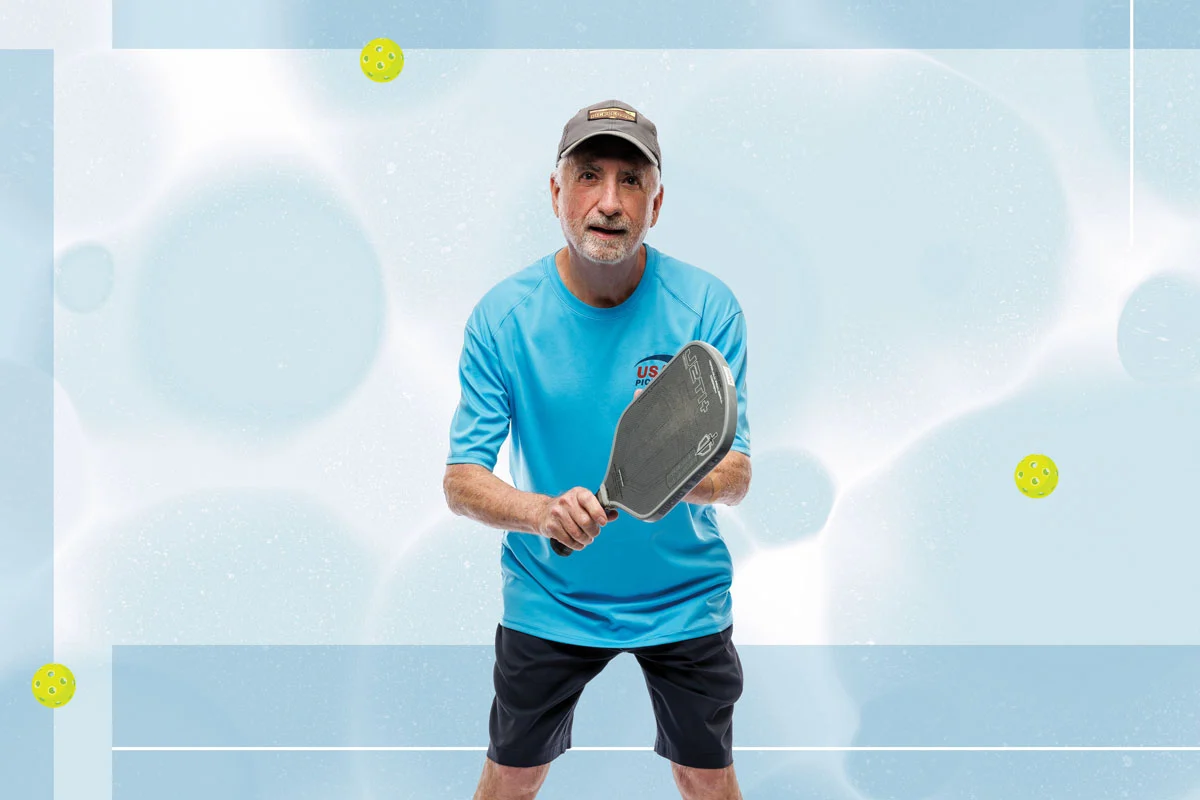
This is exactly Frank Appel’s goal. At 79, the Kailua resident lives the active lifestyle of someone 20 years his junior, but things could have turned out differently. After his wife died 14 years ago, Appel became accustomed to spending time alone. Things calmed down even more after she retired from a long career in healthcare in 2014. Feeling herself slipping into a life of solitude, she decided to turn things around. He started as a volunteer, removing invasive weeds from Kawainui and Hāmākua wetlands and teaching Medicare and Social Security classes for AARP, giving him a sense of purpose that experts say is critical to longevity.
He also picked up pickleball, which keeps him active and socially connected, two more contributors to longevity and a better quality of life. Now he plays three to four times a week, teaches others how to compete, and advocates for more pickleball courts in public parks. “I might, in another life, be a hermit,” he says. “But this image of retired people sitting around watching TV all day is exactly wrong. You have to get up. You have to find things that keep you active. You have to find passions.”
He’s right. A common belief is that people who age well can thank their genes. But years of longevity research, including landmark studies conducted on islands, show that key lifestyle factors play an outsized role. In fact, only about a third of a person’s longevity can be attributed to genes. The rest is in our hands: what we eat, how much we move, whether we smoke or drink, the preventive health care we receive, what purpose we derive from our lives, and the strength of the support networks and social connections that frame our days. It’s a message doctors and advocates hope to spread more widely across Hawaii to people of all ages.
By 2035, a quarter of the island’s residents will be 65 or older. “The most important thing we can do is educate ourselves,” says Keali’i Lopez, state director of AARP Hawai’i. “The truth is, we’re likely to live a lot longer than we thought. People are living to be 100 years old or older. How do you take care of yourself, even at a young age, so you can live a long and full life?”
Hawai’i has had the longest life expectancy in the country for more than three decades. The latest figures from the Centers for Disease Control and Prevention place life expectancy in the Islands at 80.7 years (77.6 years for men and 83.8 for women). The Chinese constitute the longest-lived ethnic group in the islands, with a life expectancy of 88.2 years. That’s a full decade longer than the national average lifespan. The news isn’t as good for some other ethnic groups in Hawaii: UH researchers found that Native Hawaiians and Pacific Islanders live an average of just 77.4 years and 69.6 years, respectively, due to a lack of access to healthy food and health care, among other factors.
SEE ALSO: How healthy are we, really?
